

1. A BRIEF HISTORY OF CLASSIC CARS
- The golden age of Automobile Manufacturing: From the 1920s to the 1970s, classic cars marked a remarkable era in automotive history. Manufacturers focused on luxury, innovation, and performance, creating vehicles that were both functional and works of art.
- Iconic Brands and Models: Iconic models of brands, including Chevrolet, Cadillac, and Ford has become household names that we still celebrate today. Car ownership was revolutionized by the Ford Model T, making it a publicly available car. During the 1950s, Chevrolet’s Bel Air became synonymous with North American middle-class culture, whereas for the upper class, North American households, Cadillac’s Eldorado was standard luxury.
- The rise of muscle cars: With models like the Chevrolet Camaro and Ford Mustang, this era also saw the birth of muscle cars as they captured enthusiasts with style and power.
- • Evolution of Design and Technology: From being simple, practical vehicles to luxurious high-performance machines, the designs of classic cars have evolved during this decade period. Preserving classic style cars has become increasingly important as these innovations made driving more comfortable and enjoyable, conferring the status of classic cars as prized possessions.Timeless Appeal: Crowds are drawn by the shows and auctions of classic cars, as they hold a special place in the hearts of car lovers and collectors.
2. CLASSIC CAR RESTORATION PROCESS
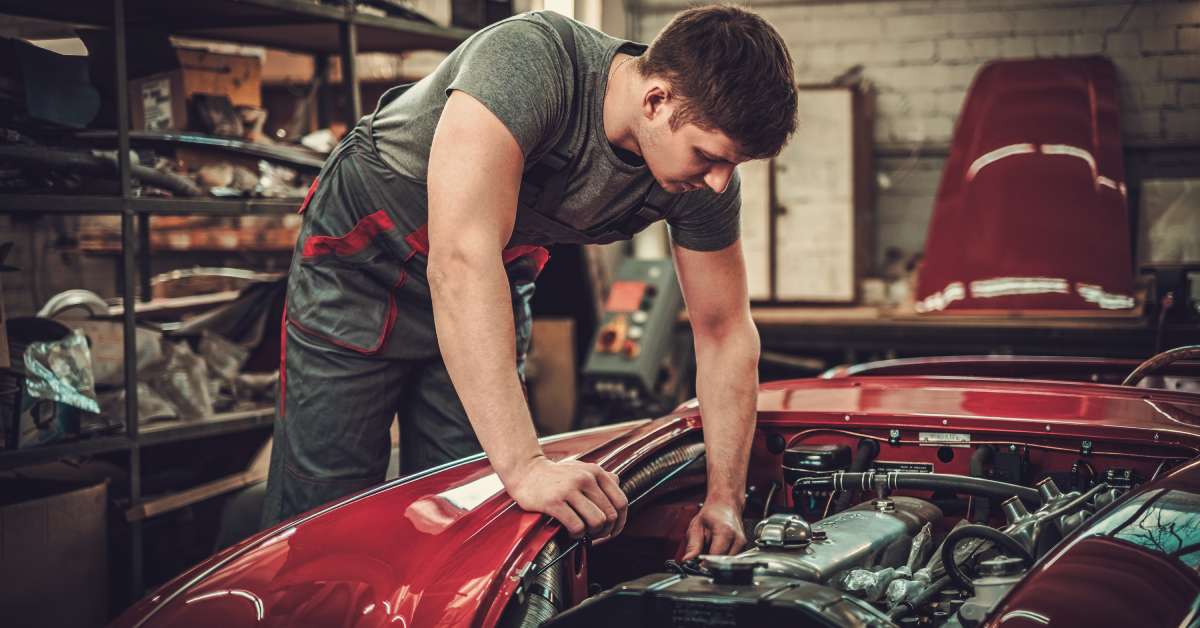
- Initial Assessment and planning: The first step is to assess the car’s condition in any restoration process. The process of inspecting means looking at the engine, interior, and body. You can create a detailed plan and budget once you understand what you need to do.
- Mechanical and Bodywork Restoration: Repairing or restoring the transmission, engine, brakes, and other critical components is often involved in Mechanical Restoration. In the bodywork restoration process, the main focus is on fixing rust, dents, and other imperfections in the car’s exterior. For this step, specialized tools and skills are required.
- Upholstery and Detailing: Restoring the car’s interior is the last step. Replacing carpets, refurbishing the dashboard, and reupholstering seats are often included in vintage car renovation. Since interior finish influences final appearance, then mindfulness is important here.
3. TOOLS AND MATERIALS NEEDED FOR RESTORATION
- Essential tools for the job: From basic hand tools to specialized equipments various tools are required in the restoration process of a classic car. For routine tasks like removing and installing parts essentials items including screwdrivers, wrenches, lifts, and jacks are needed. You may also require paint spray for to render the car’s exterior, diagnostic tools for troubleshooting mechanical and electrical issues. The job is made easier and more efficient if you have a set of sockets and ratchets.
- High-quality materials for authenticity: You need to have similar or the same materials that the original vehicles used to have properly restore these cars. A car’s historical accuracy is maintained when you source original or reproduced parts. The vehicle’s interior and exterior genuineness is maintained when you use high-grade paint that matches the original colour codes and replica upholstery. The car will look original for years when you do these things.
