

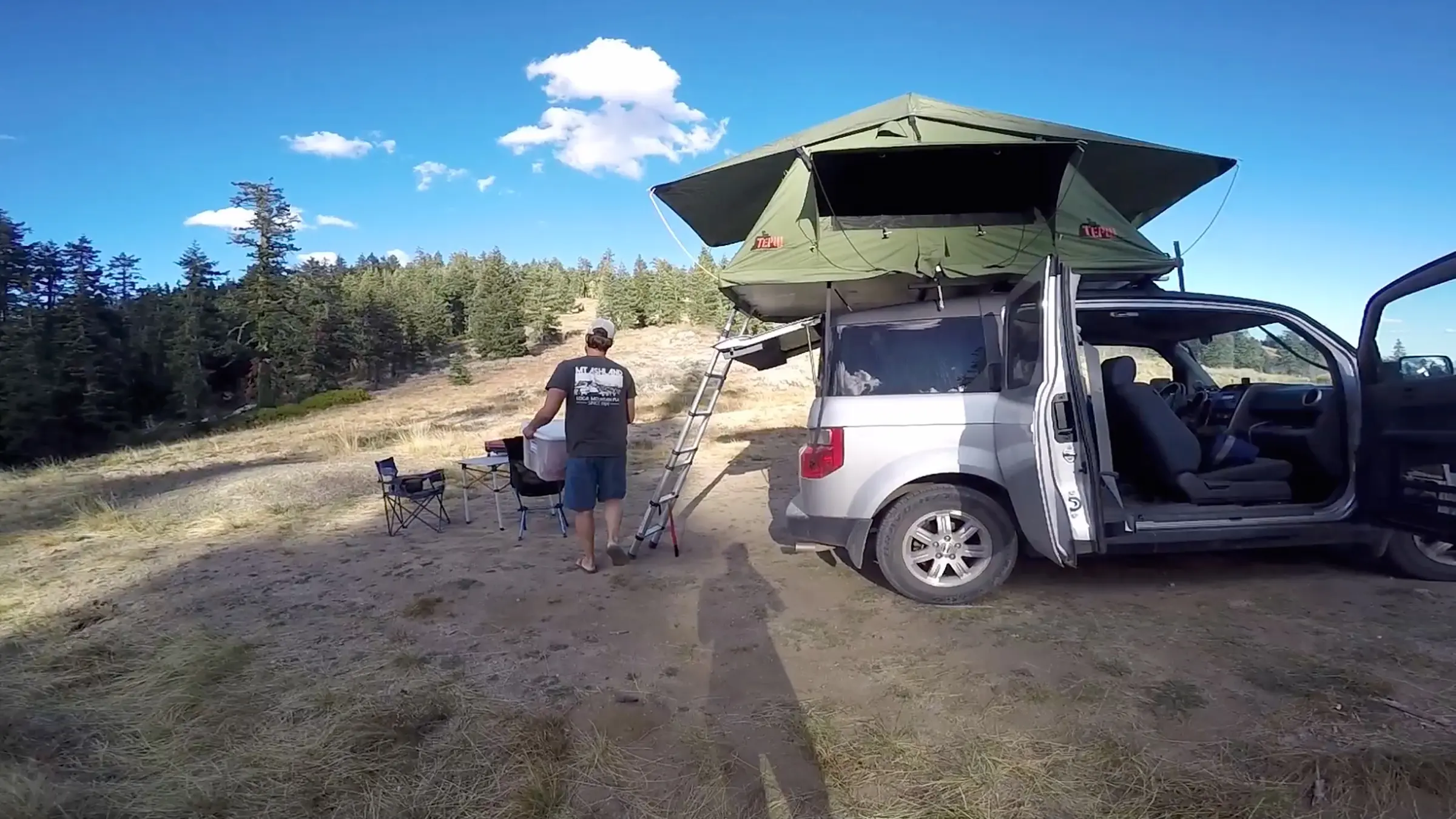
Not that long ago, SUVs were mostly about space and safety. You bought one because you needed room for kids, groceries, and maybe the dog. They were practical, a little bulky, and-if we’re being honest-not always that exciting to drive.
Fast forward to 2025, and the SUV has quietly reinvented itself.
Today’s SUVs aren’t just family haulers. They’re lifestyle platforms. They’re road-trip machines. They’re surf wagons, mountain-town commuters, camping companions, and daily drivers all rolled into one. And the shift didn’t happen by accident-it happened because buyers demanded more.
If you look at recent Australian sales data on sites like CarSales Editorial, SUVs continue to dominate the market year after year. It’s not even close. But what’s interesting isn’t just the volume-it’s the variety. Compact crossovers, rugged off-roaders, hybrid family SUVs, performance-oriented models. The category has stretched in every direction.
So, what changed?
It’s Not Just About Space Anymore
Modern SUV buyers aren’t just asking, “Can it fit five people?” They’re asking, “Can it fit my life?”
That means towing capacity matters. Roof load ratings matter. Ground clearance matters. Modular storage matters.
Manufacturers have noticed.
Take a look at recent releases covered on Drive.com.au, and you’ll see the language shift. It’s not just about infotainment screens and leather seats. It’s about off-road modes, tow ratings, roof rail capacity, and cargo versatility.
Even urban crossovers now come pre-wired for tow packages or offer factory receiver options. A decade ago, that would’ve been reserved for larger body-on-frame vehicles.
Now it’s mainstream.
The Rise of the Factory Tow Package
One of the clearest signals of this lifestyle shift is the increasing demand for integrated tow packages.
And here’s the thing-most owners aren’t towing caravans every weekend.
Buyers increasingly value factory tow ratings and receiver compatibility, not just for trailers, but for practical accessories like hitch bike racks that expand everyday usability.
That’s a subtle but important evolution.
The tow hitch used to signal heavy-duty work. Now it signals flexibility.
It means you can head to the coast with surfboards one weekend, tow a small trailer the next, and transport bikes to a trailhead without stuffing your cabin full of gear. The receiver becomes a connection point-not just for towing, but for lifestyle.
And because these systems are factory-integrated, they’re designed with vehicle balance, cooling, and safety in mind. No guesswork.
Design Is Catching Up to Demand
Automakers are no longer designing SUVs purely around passenger comfort. They’re designing around use cases.
Rear bumpers are shaped to accommodate receivers more cleanly. Suspension systems are tuned for light towing stability. All-wheel-drive systems are optimized for gravel roads and unpredictable terrain.
Even interiors are changing.
Harder-wearing materials. Flat-fold seats. Washable cargo liners. Some manufacturers are leaning heavily into this “active life” identity. It’s not subtle. You see it in the marketing-beaches, mountain passes, remote campsites.
But it’s more than branding. It’s engineering responding to behavior.
According to the Federal Chamber of Automotive Industries (FCAI) in Australia (FCAI Official Site), SUVs consistently account for the largest share of new vehicle sales nationally. And a growing portion of those buyers cite versatility as a key decision factor.
People want one vehicle that does it all.
The Urban-Adventure Hybrid
What’s particularly interesting is how urban buyers are adopting this mindset.
Not everyone buying an SUV is heading into the bush every weekend. Many live in metro areas. They commute. They park in tight garages. They still care about fuel economy.
But they also want optionality.
They want to know that if friends suggest a last-minute weekend away, they don’t have to rent something else. They want confidence when the road turns to gravel. They want space for sports equipment, camping gear, or bikes without sacrificing comfort during the week.
Modern SUVs deliver that blend better than any segment before them.
Crossovers especially have become the ultimate compromise-in the best way. Comfortable enough for daily driving. Capable enough for light adventure. Efficient enough to justify.
It’s not about extreme off-roading. It’s about accessible versatility.
Electrification Doesn’t Change the Trend
Some people assumed the EV shift might slow this lifestyle utility movement. If anything, it’s accelerating it.
Electric SUVs are entering the market with strong torque figures, competitive towing capacities, and improved range. Instant torque makes them well-suited for light towing and carrying loads-within limits, of course.
And buyers are still looking for flexibility.
The presence of a receiver hitch on many new EV SUVs says a lot. Manufacturers understand that even in an electrified future, drivers want options.
You might be charging at home during the week-but that doesn’t mean you’re not heading out of the city on Saturday.
It’s a Cultural Shift, Not Just a Spec Sheet Change
Honestly, I think this goes beyond horsepower and towing numbers.
There’s been a broader cultural move toward experience-driven ownership. People prioritize travel, outdoor recreation, and flexible living. Vehicles are tools for enabling that.
The old sedan formula-low to the ground, limited cargo flexibility, no hitch compatibility-doesn’t fit that lifestyle as easily.
SUVs, on the other hand, adapt.
They can look polished in a business park carpark and still handle a dirt access road to a trailhead. They can carry kids to school and gear to a campsite in the same week.
That dual-purpose identity is powerful.
The Practical Reality
Of course, none of this means every SUV owner suddenly becomes an off-road explorer.
But the expectation has changed.
Buyers now assume their vehicle should:
- Support modular accessories
- Offer some degree of off-pavement confidence
- Provide integrated towing capability
- Maintain daily comfort
That combination defines the modern “lifestyle utility vehicle.”
And manufacturers are responding aggressively because that’s where the demand is.
Where This Trend Is Headed
If current sales trends continue, SUVs will keep absorbing features that once belonged to niche categories.
Expect:
- Improved hybrid and EV towing solutions
- Smarter integrated accessory ecosystems
- More durable interior materials
- Increased focus on modular cargo systems
The line between “family SUV” and “adventure vehicle” will continue to blur.
And honestly? That’s not a bad thing.
The modern SUV isn’t trying to be everything for everyone-but it’s getting remarkably close.
It’s comfortable enough for the daily grind. Capable enough for spontaneous plans. And flexible enough to adapt as life changes.
That’s not just a segment evolution.
That’s a lifestyle one.
