

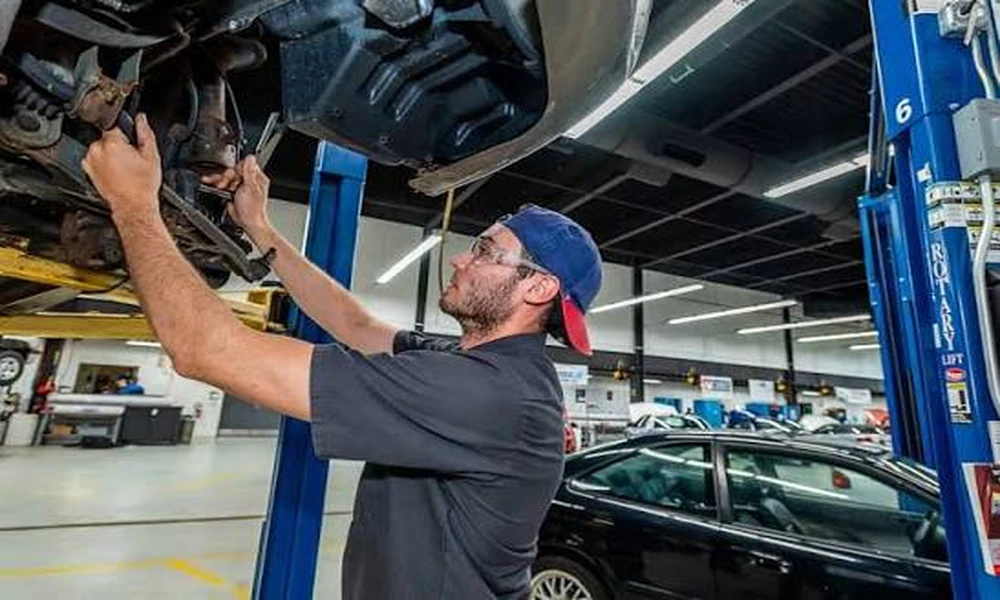
You settle into your vehicle on a warm afternoon and enjoy icy cabin airflow. Sometimes, that refreshing blast vanishes suddenly and warm humid air begins flowing through the vents. This common automotive climate issue frustrates motorists and ruins the overall daily driving comfort. A properly working vehicle air conditioning system requires continuous refrigerant circulation under specific pressure thresholds. When one critical component experiences mechanical strain, the cooling cycle collapses and cabin temperatures rise. Many modern motorists trust Auto AC Repair in Menomonee Falls, WI service to diagnose these delicate climate control components. Understanding the underlying physical causes helps vehicle owners identify emerging air conditioning failures before major breakdowns.
Faulty Compressor Clutches Disengage Prematurely
The heavy automotive air conditioning compressor circulates pressurized cooling fluid through sealed metal pathways. An electromagnetic compressor clutch engages the drive belt to spin internal pumping components. But worn clutch coils lose electromagnetic pull as engine compartment temperatures rise rapidly. So, the mechanical clutch slips open unexpectedly and stops normal internal refrigerant pumping action. Cabin air immediately loses crisp coolness because heat transfer stops inside the vehicle compartment. The team at American Imports inspects weak clutch coils and replaces worn electromagnetic plates. When the engine bay cools down, the mechanical clutch might reengage for short durations. Driving with a slipping compressor clutch risks severe mechanical wear and total compressor failure.
Refrigerant Leaks Cause Erratic Operating Pressures
Air conditioning setups require precise chemical refrigerant amounts to create steady cabin cooling effects. Small rubber seals and aluminum lines develop microscopic fractures from constant road vibrations. Certified automotive mechanics at American Imports use specialized ultraviolet dyes to pinpoint small pressure leaks. Proper refrigerant levels maintain stable interior cabin temperatures across varied open road driving conditions. Neglecting slight pressure losses damages sensitive internal compressor seals and leads to expensive repairs.
Overheating Condensers Halt Heat Dispersion
The front condenser dispenses absorbed cabin heat outward into ambient atmospheric air streams. Located directly behind the decorative front grille, condensers collect highway road debris constantly. Dirt, crushed insects, and bent aluminum fins obstruct essential airflow across cooling surfaces. The technicians at American Imports clean dirty metal fins and repair sluggish electric cooling fans. Maintaining an unobstructed condenser face ensures steady heat dispersion throughout demanding long-distance highway travel.
Conclusion
Modern automotive climate systems blend conditioned cold air with warm engine coolant heat. Small electric blend door actuators turn plastic interior flaps inside the hidden dashboard ducting. But damaged actuator gears slip out of alignment during typical automotive climate mode transitions. Now, the interior climate control flap swings toward the heater core without driver input. The ventilation system pushes unwanted heated air inside even while the cooling compressor operates. Replacing damaged plastic gears restores precise interior cabin climate control across various driving journeys.
