

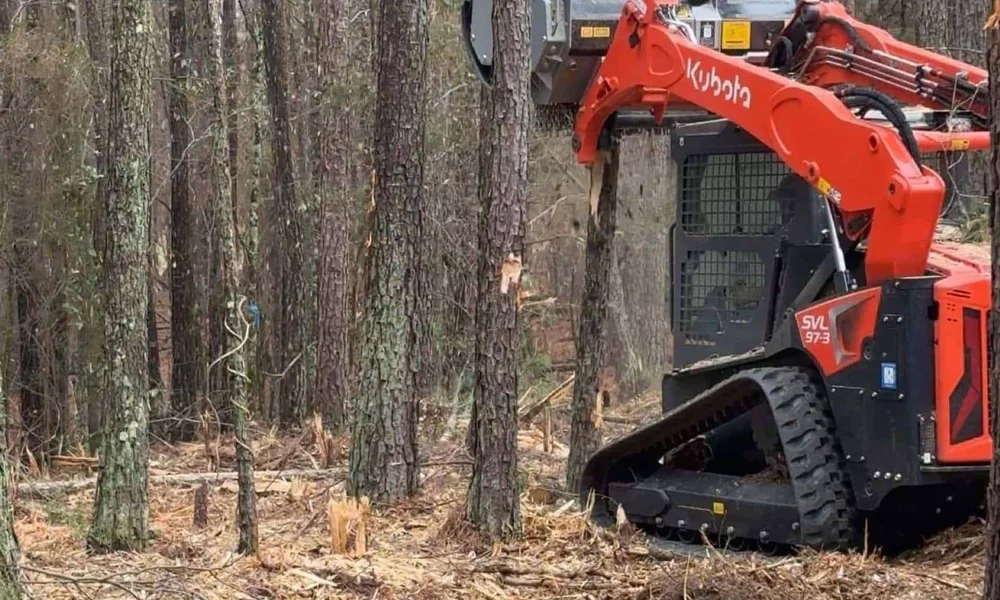
Maintaining fields and large properties can be tough work. Grass can grow to waist height quickly, weeds can creep along fence lines, and dense brush can turn a clean space into a wild mess. The right bush hog can make regular mowing much quicker, but there’s more to selecting a bush hog than just the widest or the cheapest.
Whether you are clearing overgrown pastures or managing fence lines on a regular schedule, choosing high-performance bush hogs ensures you can tackle dense weeds and tough brush efficiently without overloading your tractor.
Consider What You Need to Cut
First, check the type of vegetation that exists on your property. You need less cutting power in a field that’s mostly grass than in one with thick weeds, woody stems, or light brush. Think about how often the land will be maintained, too. Some of the properties may be mowed regularly and thus can use lighter equipment, while some may be mowed only occasionally and will require a heavier-duty “bush hog” machine that can handle more difficult growth. If you know what you are cutting, you will have a better starting point for comparison when you are looking at models.
Match the size to your tractor.
Your tractor and bush hog are a team. Before purchasing, verify the tractor’s horsepower, PTO specifications and hitch capacity. Too large or heavy a mower can make it hard to operate the tractor and can put an undue strain on the equipment. If the size is too small, another problem arises: you could end up spending a lot more time making multiple passes over the same field. The idea is to have a comfortable fit between the tractor and the mower.
Consider cutting the width to think about.
Not all the time, wider is better. Useful on large open fields, a wide bush hog can cover more ground with each pass. But, narrower pieces of equipment can manoeuvre around trees, gates, fences, uneven terrain and tight spaces more easily. Take into account the form of the property and its overall acreage. The machine that seems perfect on paper can be aggravating if it struggles to manoeuvre through the areas where you need to keep it.
Check the Construction
A bush hog can get a lot of abuse, especially when operating in rough terrain or vegetation. When buying a boat, inspect the deck, blades, gearbox, driveline, guards and all other major components. When buying used equipment, be sure to look for cracks, excessive rust, oil leaks, broken blades and worn bearings. If information is available, inquire about previous use and maintenance history. While it is good to have a machine that looks clean, it’s more important to have a machine that’s clean inside.
Don’t Forget Terrain
It is one thing if you have flat open pasture. A slope, rock or uneven ground will be different. When the terrain is difficult, consider equipment that can deal with these conditions safely. Think about ground clearance, turning radius and how easy the mower is to navigate around on slopes. Respecting the terrain can help to preserve the machine and operator.
Decide for Work Ahead
The ideal bush hog is the one that will fit your tractor, land, plants and maintenance routine, rather than the biggest you can get. Consider the cutting width, construction, power requirements, condition and overall operating requirements.
